
What Do Grubs Turn Into?
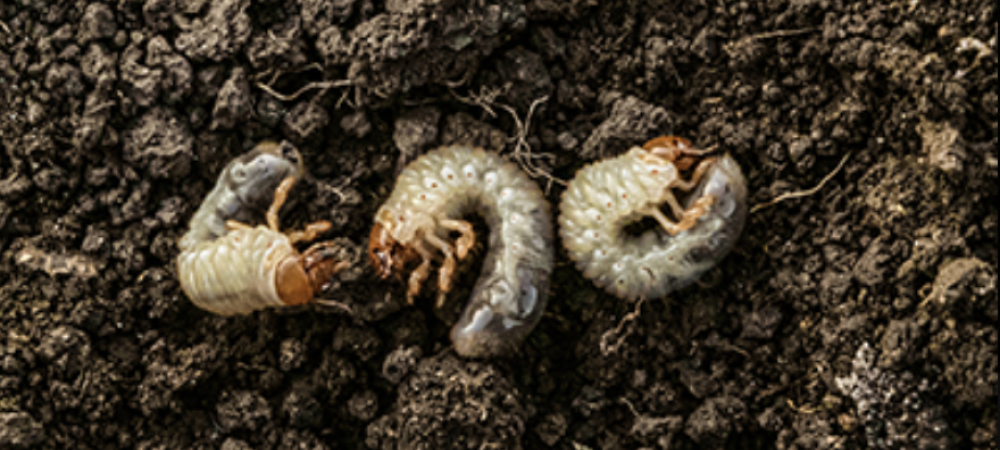
If you've ever uncovered white, C shaped insects while digging in your lawn or garden, you've probably found grubs. These small larvae spend much of their lives hidden beneath the soil, feeding on grass roots before eventually transforming into adult beetles. But what exactly do grubs turn into, and why does it matter?
Understanding the grub life cycle can help homeowners recognize when these pests are active and why they sometimes lead to lawn damage. Here's a closer look at what happens after the grub stage.
What Is a Grub?
A grub is the immature larval stage of several species of scarab beetles. These soft bodied insects are typically creamy white with brown heads and six small legs located near the front of their bodies. They curl into a C shape when disturbed and spend most of their time underground feeding on the roots of grass and other plants.
Although many beetle species begin life as grubs, the ones most commonly found in residential lawns include June beetles, Japanese beetles, masked chafers, and May beetles.
What Do Grubs Turn Into?
Grubs eventually develop into adult beetles. Before reaching adulthood, they go through a stage called the pupa, where they undergo a complete transformation beneath the soil.
Once development is complete, the adult beetle emerges from the ground. Depending on the species, these beetles may feed on leaves, flowers, fruits, or other plant material before mating and laying eggs in the soil. Those eggs hatch into a new generation of grubs, beginning the life cycle all over again.
The Grub Life Cycle
Grubs go through four distinct stages of development.
1. Egg
Adult beetles lay eggs in the soil during the warmer months, usually in healthy, well watered lawns. After a few weeks, the eggs hatch.
2. Larva (Grub)
The newly hatched larvae begin feeding on grass roots almost immediately. This is the stage most homeowners notice because root feeding can weaken turf and contribute to brown patches. As the grubs grow, they molt several times before preparing for the next stage.
3. Pupa
After feeding for several months, the grub forms a pupa beneath the soil. During this stage, the insect does not feed. Instead, it transforms into its adult form.
4. Adult Beetle
Once fully developed, the beetle emerges from the soil. Adult beetles search for mates, lay eggs, and continue the cycle. While some beetles feed on plants above ground, others spend much of their short adult lives reproducing.
What Types of Beetles Do Grubs Become?
The type of beetle depends on the species of grub. Some of the most common include:
June Beetles
June beetles are among the most recognizable lawn beetles. They are typically reddish brown and are often seen flying around porch lights during late spring and early summer.
Japanese Beetles
Japanese beetles have metallic green bodies with copper colored wings. Unlike the grub stage, which feeds underground, adult Japanese beetles feed on the leaves and flowers of hundreds of different plant species.
Masked Chafers
Masked chafer beetles are tan to light brown and are active during summer evenings. Their larvae are a common cause of lawn damage across many regions.
May Beetles
May beetles resemble June beetles and are another common species whose larvae develop underground before emerging as adults in spring.
Why Knowing the Grub Life Cycle Matters
Understanding what grubs turn into helps explain why beetle activity and grub problems often go hand in hand. Adult beetles lay eggs in lawns, which hatch into root feeding larvae. While seeing a few beetles in your yard does not necessarily mean you'll have a grub problem, large beetle populations can increase the likelihood of future infestations.
Knowing when each life stage occurs can also help homeowners recognize why lawn damage tends to appear during certain times of the year.
Frequently Asked Questions
Do all grubs become beetles?
Yes. Lawn grubs are the larval stage of scarab beetles. Every healthy grub eventually transforms into an adult beetle through the pupal stage.
How long does it take for a grub to become a beetle?
The exact timing depends on the species, but many grubs complete their development in about one year. Some larger beetle species may take two or even three years to complete their life cycle.
Are adult beetles harmful to lawns?
Adult beetles generally do not damage grass itself. However, they lay eggs in the soil, which hatch into grubs that feed on grass roots.
Can you see grubs above ground?
Grubs spend nearly all of their lives beneath the soil. They are most often discovered while digging or when damaged sections of turf are pulled back.
Need Grub Control?
If you're concerned about grub activity or have noticed signs of damage in your lawn, Bob Short's LawnEnvy provides professional grub control services for homeowners throughout Texas to help protect healthy, thriving turf. Contact us today for a free quote!